Transform Your External Area: Expert Landscaping Services
Transforming outdoor spaces is a demanding project. Many experience problems like poor soil, limited sunlight, or uncertain plans for their landscape. Expert landscape designers present tailored solutions that solve these concerns. They possess a wealth of knowledge about local vegetation and sustainable practices. Their expertise can make a major impact. What are the primary advantages of hiring these professionals, and how can they improve your landscape experience? The results may impress you.
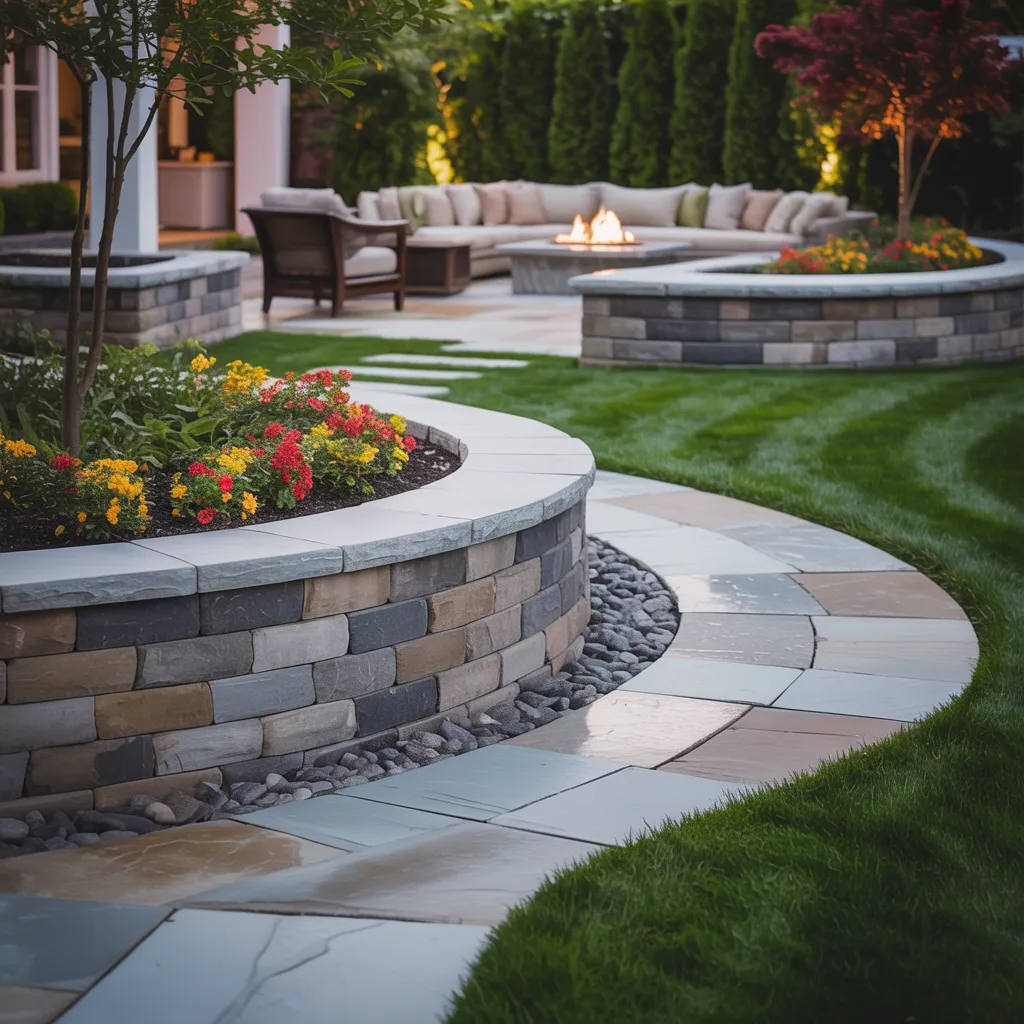
Standard Landscape Design Issues
When starting on landscape design, many encounter obstacles that can hinder the undertaking. One common issue is inadequate planning, which can result in disconnected vision and execution. Property owners often struggle to balance aesthetics with functionality, resulting in areas that may look appealing but fail to fulfill their desired purpose. Additionally, understanding the local climate and soil conditions can present challenges; inappropriate plant choices may cause poor growth or upkeep issues.
Budgetary limitations also constitute a significant hurdle, as many miscalculate the costs associated with materials and labor. Schedule coordination proves essential, with postponements in project timelines often resulting from unexpected challenges. Ultimately, navigating zoning regulations and laws can add another layer of complexity, often necessitating permits or adherence to particular standards. These obstacles can dishearten individuals, underscoring the significance of a well-structured approach to landscape design.
Why Employ Expert Landscape Designers?
Dealing with the complexities of garden design can often overwhelm even the most keen homeowners. Diverse ingredients, such as plant selection, landscape contours, and irrigation infrastructure, must be synchronized to create a integrated outdoor space. Expert landscape designers possess the training and experience crucial to presentation work through these intricacies effectively. They appreciate the local seasonal conditions, soil conditions, and area plants, ensuring the designs are both durable and visually stunning.
Also, professionals supply a considerable wealth of inventive thoughts and forward-thinking solutions that cater to distinct tastes and personal circumstances. They are able to visualize the potential of a space, converting typical outdoor spaces into stunning landscapes. Coordination between contractors and adherence to local codes are pertinent considerations where their experience becomes vital. Finally, bringing in an professional landscaper eases the burden of experimentation and mistakes, enabling property residents to delight in a expertly crafted outdoor environment tailored to their personal dream.
Leading Benefits of Contracting Professional Landscape Designers
Hiring professional landscape designers provides many advantages that can enhance any outdoor space. First, their expertise guarantees that design ideas are not only visually attractive but also practical, taking into account factors like drainage, sunlight, and plant compatibility. This understanding helps avoid expensive errors that can arise from DIY efforts.
In addition, experienced designers offer access to supplies and personnel, including superior-quality materials and experienced craftspeople, which can elevate the overall quality of the job. They can furthermore offer bespoke solutions that mirror individual choices while following local regulations and sustainability matters.
Additionally, the collaborative effort with a designer enables homeowners to express their vision effectively, creating a unified and balanced landscape. This collaboration often produces creative solutions that homeowners might not have thought about, enhancing the potential of the outdoor area. Ultimately, hiring a professional landscape designer converts an standard area into an expertly designed environment.
Innovative Methods to Transform Your External Area
Converting an outdoor space into a dynamic retreat can be achieved through a assortment of creative ideas that meet personal tastes and functional needs. Incorporating diverse plant species can bring texture and color, while wall gardens maximize space and create a stunning visual impact. Outdoor seating areas can be enhanced with comfortable furniture, perfect for relaxation or entertaining guests.
Water features, such as fountains or small ponds, introduce soothing sounds and draw in wildlife, enhancing the overall atmosphere. Using outdoor lighting strategically can highlight key elements and prolong usability into the evening.
Creating walkways made with sustainable stone or reclaimed materials can lead guests across the landscape, developing a inviting atmosphere. Furthermore, practical elements like raised garden beds or outdoor kitchens can improve both aesthetics and practicality, ensuring the area is not only beautiful but also flexible for different uses.
Tips for Preserving Your Landscape Design
Essential maintenance is critical for sustaining the beauty and functionality of any landscape design. Consistently checking plants for condition is imperative; dead or diseased foliage should be promptly removed to prevent further extension. Additionally, adequate hydration techniques, adapted for the demands of individual species, can substantially boost growth and vitality.
Mulching prevents weeds and maintains soil moisture, rendering it a worthwhile practice. Seasonal pruning promotes healthy growth and keeps desired shapes. Moreover, periodic fertilization delivers important nutrients, ensuring that plants flourish throughout the year.
Landscape components such as pathways and decks should be inspected for damage. Consistent upkeep and maintenance can avert deterioration and boost aesthetic appeal. Finally, monitoring pests and implementing appropriate treatments can safeguard the landscape's durability. By implementing these guidelines, homeowners can ensure their exterior spaces continue to be inviting and maintained for many years.

Regularly Asked Topics
How Much Time Is Required for a Average Landscape Design Project?
A typical landscaping project typically takes between two to eight weeks, depending on the design complexity, site conditions, and the supply of materials and workforce, guaranteeing a comprehensive planning and implementation approach.
What Is the Typical Cost of Professional Landscape Design Services?
The typical price of professional landscape design services generally falls from $2,000 to $7,000, depending on project size, complexity, and location. Factors such as labor and materials can greatly influence the ultimate cost.
Do Landscape Designers Hold Certifications or Industry Credentials?
Landscape designers are not broadly mandated to be certified or licensed; however, many decide to pursue degrees or qualifications in landscape architecture, which can improve their credibility and expertise in the field.
May I add established Plants Into the New Design?
Yes, existing plants can be integrated into a fresh design. Professional landscapers often assess current vegetation to enhance aesthetics and functionality, ensuring that established plants complement the complete concept of the garden area.
What Standards Should I Seek out in a Landscape Design Portfolio?
When reviewing a landscape design portfolio, individuals should copyrightine inventiveness, variety in styles, harmonious vegetation placement, careful workmanship, project documentation that is clear, and former client feedback to gauge overall satisfaction and effectiveness.